Drawdown circuit breakers
Set a maximum drawdown per strategy or per session. When the threshold is hit, the engine suspends further order submission automatically and alerts you — no manual watching required.

Risk Controls
Practice of Boston enforces your risk limits at the order level — hard stops, drawdown circuit breakers, and exposure caps that don't rely on your discipline in the moment.
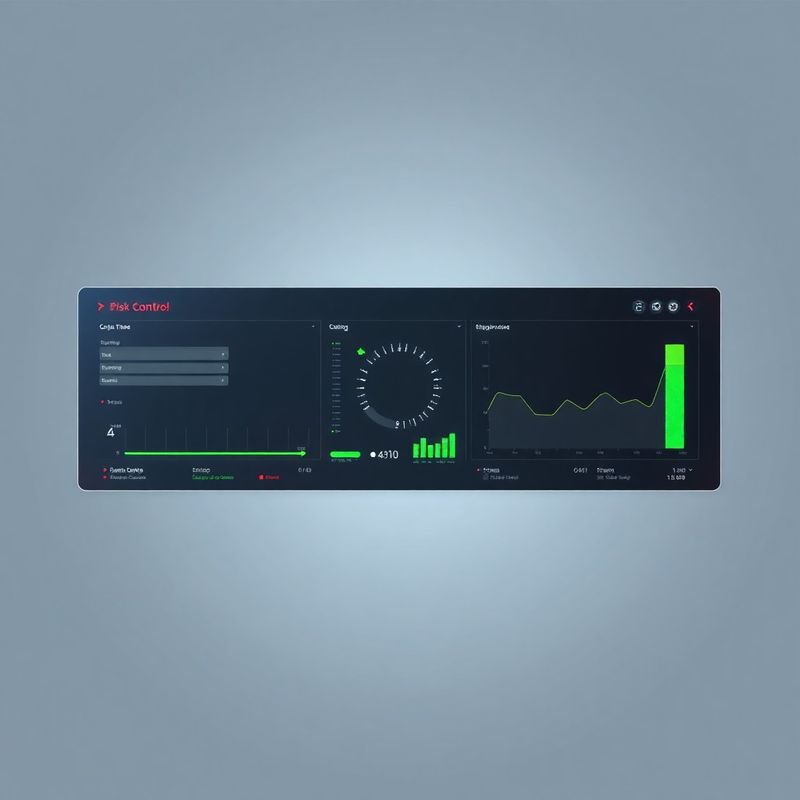
Every order submitted by an automated strategy — or manually by you — passes through the terminal's risk gate before it reaches the broker. The gate checks the proposed order against your configured rules: maximum position size per instrument, maximum open exposure across all instruments, daily loss limit, and per-strategy drawdown ceiling. If any rule would be violated by the proposed order, the order is blocked and logged. You see a notification in the slate-professional risk monitor panel; the strategy continues running but cannot open new positions until the breach condition clears — for example, an intraday P&L recovery or manual reset. This design means your risk parameters are enforced structurally, not aspirationally.
Set a maximum drawdown per strategy or per session. When the threshold is hit, the engine suspends further order submission automatically and alerts you — no manual watching required.
Define maximum lots or contract counts per instrument, per strategy, or across the entire account. The terminal will not submit an order that would breach these limits, regardless of the strategy's signal.
Real-time net exposure by asset class, updated on every fill. You can set aggregate exposure ceilings so that a concentrated position in one sector triggers an automatic hold on further entries.
Configure an absolute daily loss limit in euros. Once reached, all automated order submission stops for the session. Manual trading remains available so you retain full control of your account.
Practice of Boston's risk controls operate within the terminal — they govern order submission to your broker. They cannot reach into your broker's systems to cancel orders that have already been routed, nor do they protect against broker-side margin calls, exchange circuit breakers, or flash-crash gaps where the market moves faster than any order can be placed. Risk controls are a structural tool to enforce the limits you set in advance; they are not a substitute for understanding the instruments you trade or the inherent uncertainty of markets. You remain responsible for your trading decisions and for ensuring your configured limits reflect your actual risk tolerance.
“I set a daily loss floor of €500 in February and forgot about it — which is the point. On a bad Thursday in March, the terminal hit the threshold mid-morning and stopped my automation. I checked my phone two hours later and realized I hadn't lost anything beyond that number. That functionality alone justified the subscription for me.”
Gregor Štefan, options trader, Koper
Configure your risk rules in the terminal today — before you run your first automated strategy on live data.
See Pricing